What 'AI inside' actually means in 2026 hardware
A taxonomy of the four very different things vendors mean when they slap "AI" on a box — and how to read past the sticker.
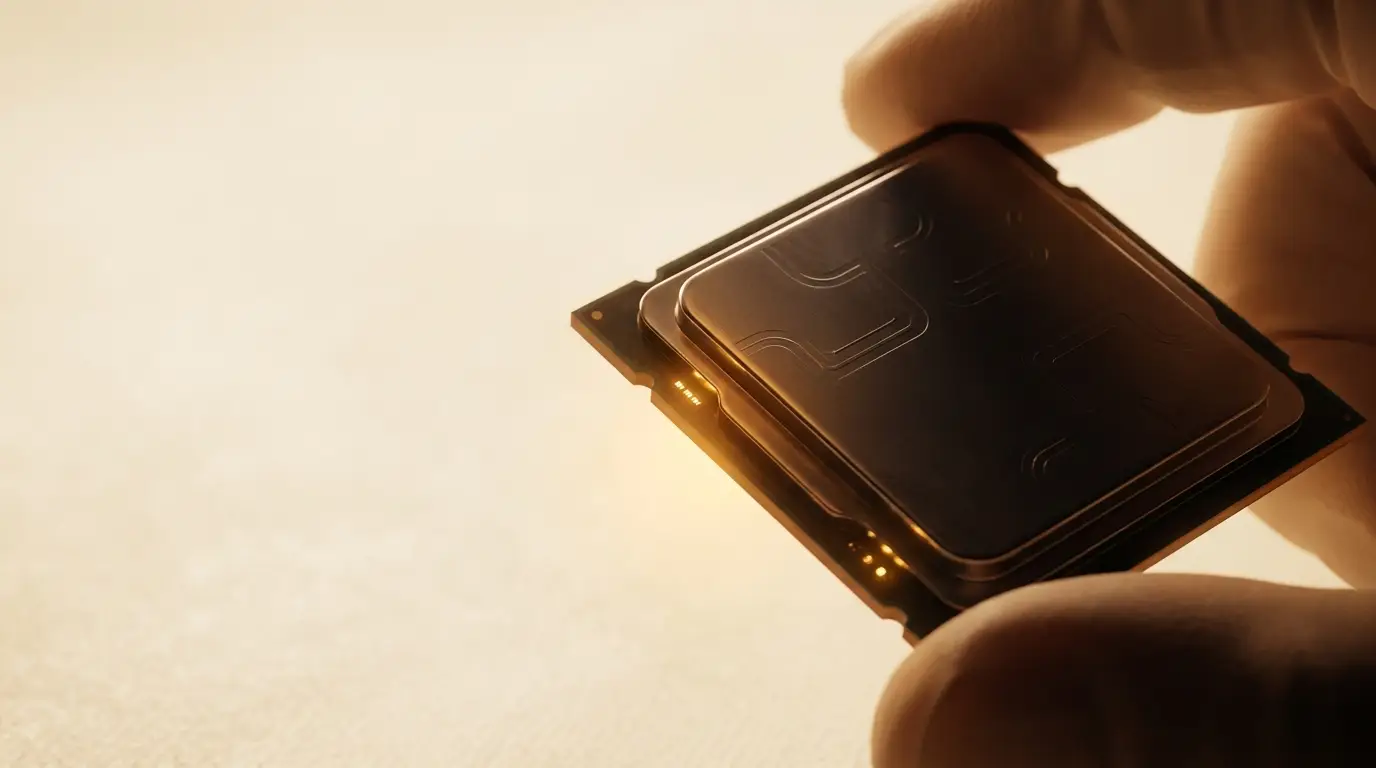
By 2026, "AI inside" appears on toasters. The phrase has lost meaning, which is unfortunate because the underlying capabilities are diverging fast. Here is a useful taxonomy for the next time you read a product page.
Type 1: Local inference, fully offline
The device runs a small model on its own NPU, and the model never leaves. A camera that recognises faces locally. A microphone that transcribes locally. An e-reader that summarises the chapter you just finished, all on-device. Battery life suffers a little. Privacy is genuinely better.
Type 2: Local inference, cloud fallback
Most of the time the device works offline. When you ask something hard, it routes to a cloud model. The clue: there is an account requirement and an EULA describing "improvement of services." Useful if the cloud is genuinely better, suspicious if the fallback runs 100% of the time.
Type 3: Pure cloud, with a microphone
The "AI" is a normal speech-to-text plus a chat completion. The hardware is a USB mic with an LED. The product page is wishful thinking. Most "AI pendants" launched in 2024 lived here. The category is shrinking; new entrants should be regarded with friendly skepticism.
Type 4: Marketing only
The device does what last year's device did. The new sticker on the box is the only addition. Smart fridges, smart toasters, and most "AI-enabled" appliances belong here. Charming, harmless, but not worth a premium.
What to look for instead
Forget the sticker. Look for these signals on a product page:
- A specific model name and parameter count ("running Phi-3.5 4B locally").
- A clear claim about what stays on-device.
- A privacy page written by humans, not lawyers.
- A clear update model (where do firmware diffs come from?).
If any of those are vague, the AI claim is probably type 3 or type 4.
Why this matters in 2026
The good news: type 1 and 2 are getting genuinely magical. Local models in the 2–4B parameter range now fit in tens of MB and handle 80% of consumer use cases. The bad news: the marketing on top of all of it is fog. The way through the fog is small, specific questions — and the willingness to wait one generation when the answers feel evasive.