The case for analog tools in a smart-everything world
A surprising number of analog objects outperform their smart replacements. Six places it shows up — and why the trend is accelerating.
A funny thing has happened in the last few years. A surprising number of thoughtful people are buying mechanical watches, fountain pens, and dumb kitchen timers. Not as nostalgia — as preference. Smart-everything has earned a backlash, and the most interesting category in 2026 is the unglamorous corner where analog quietly wins.
Six places the analog version is better
1. Kitchen timers
A 5 dollar wind-up timer never updates, never asks for an account, never makes you unlock anything. It survives drops. It works when the Wi-Fi goes out. Most importantly, it makes a sound that does not get lost in the notification ocean.
2. Wall clocks
A simple wall clock is glanceable from across a room. A smart display tells you the time, the weather, three news headlines, and an ad for a TV show. Tasks compete for attention. Time should not.
3. Paper notebooks
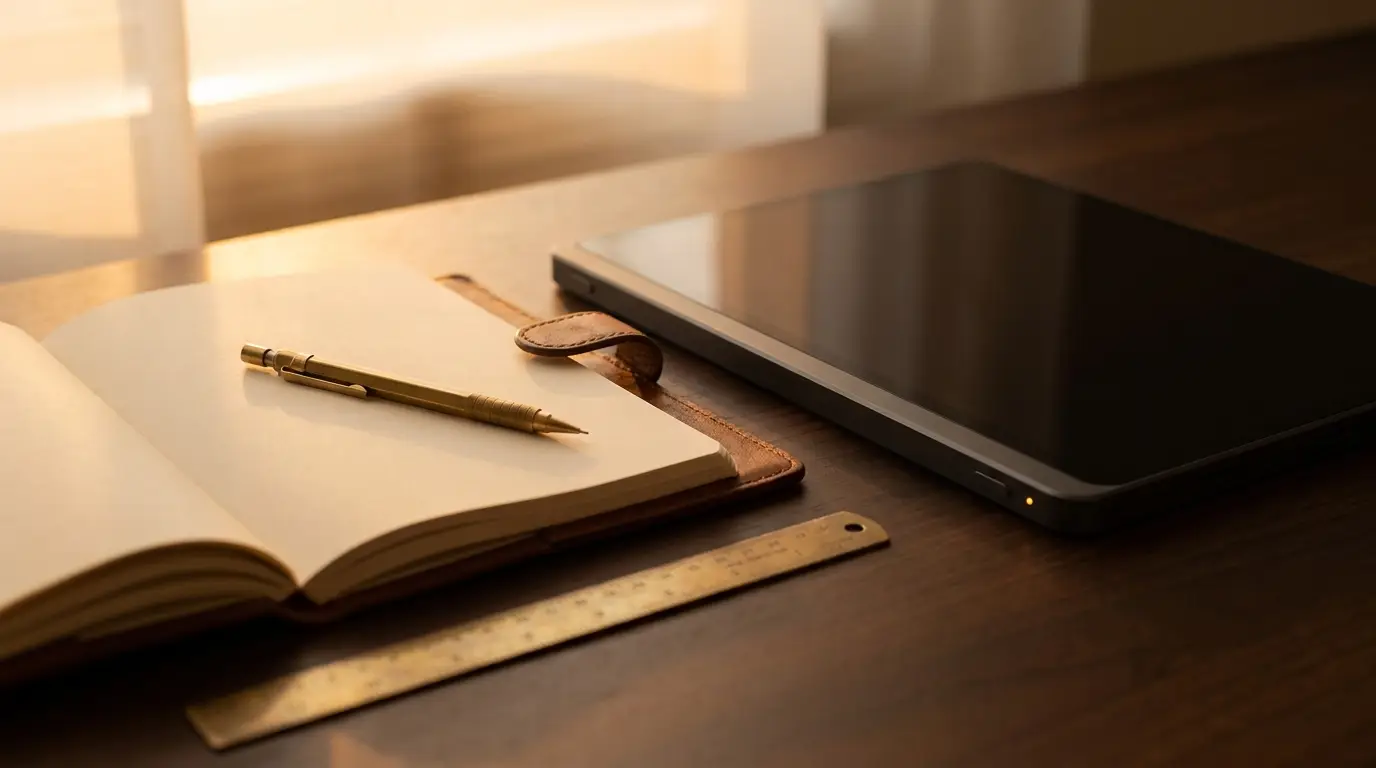
The reMarkable is a beautiful object. So is a Leuchtturm 1917. The notebook is the one with no battery, no syncing failures, no "your subscription is expiring" emails. For many people, both can coexist — but the paper one shows up more often than the digital one.
4. Light switches with one job
Smart bulbs solve the wrong problem. The right problem is: any human, including a guest, should be able to turn the light on. A real switch with no app, no firmware, and no naming convention is faster than every smart-home automation you can write.
5. Mechanical keyboards
Even RGB-loving keyboard nerds increasingly want one no-light, all-mechanical board for serious work. It will outlast three replacement laptops. It needs zero updates. Its only "feature" is feeling good.
6. Cash, occasionally
Not for everything — but the rise of "tap to pay" surveillance has put a small dignity back in carrying a few notes. A coffee can be bought without a record. Sometimes that matters.
Why this is accelerating
Three forces are pushing analog back into favor. Smart products keep getting worse at the boring fundamentals — discoverability, durability, reliability. The privacy story keeps getting weirder. And the cost of subscription creep has become legible: ten of them is real money. The analog object has none of these problems.
The best smart device is the one with one job and no app — and that is usually called a "tool."